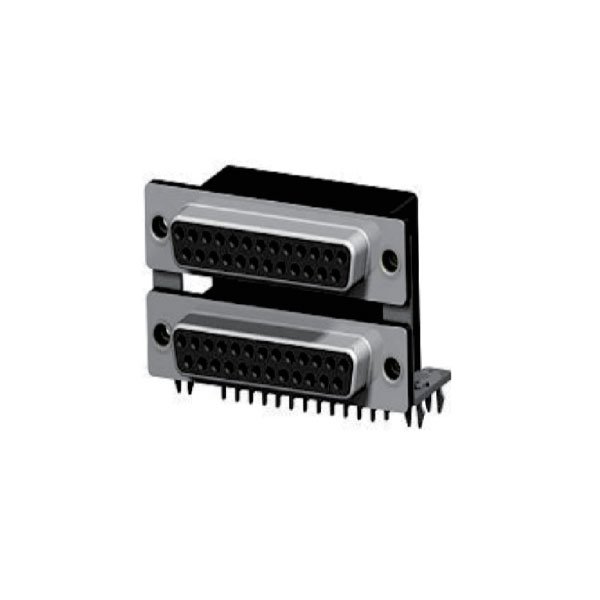
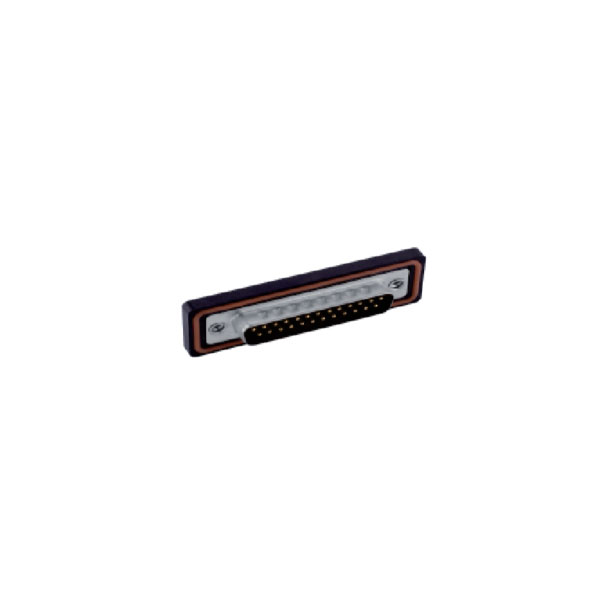
While flashy new connectors dominate consumer electronics, the humble D-Sub quietly powers mission-critical systems worldwide. First introduced in 1952, these workhorse connectors continue to outperform modern alternatives in harsh industrial environments.
Why Engineers Still Specify D-Subs
1. Battle-Tested Durability
-
The signature D-shaped metal shell delivers:
-
Impact resistance (withstands over 50N mechanical stress)
-
EMI shielding (60dB attenuation)
-
-
Compare this to plastic USB connectors that crack under vibration
2. Configurations for Every Need
-
Standard versions from 9 to 50 pins
-
Specialty options include:
-
High-density (HD-D-Sub) for space-constrained panels
-
IP67-rated waterproof models
-
Locking versions that won't shake loose
-
3. Unmatched Longevity
-
Gold-plated contacts survive 5,000 mating cycles
-
Operates in extreme temperatures (-55°C to +125°C)
Where D-Subs Excel
Industrial Automation
-
PLC control cabinets
-
CNC machine I/O panels
-
Robotic arm signal transmission
Critical Infrastructure
-
Railway signaling systems
-
Power plant control rooms
-
Avionics equipment
Professional AV
-
Broadcast video routers
-
Stage lighting control
-
High-end audio mixers
Selecting the Right D-Sub
Pin Count Matters
-
DE-9: RS-232 serial (still used in SCADA systems)
-
DB-25: Parallel ports (common in medical imaging)
-
DA-15: Originally for joysticks (now in industrial HMIs)
Special Environment Solutions
-
Frequent connections? Zinc alloy shells withstand abuse
-
Wet locations? Look for rubber gaskets + nickel plating
-
High vibration? Threaded locking collars are essential
Maintenance Know-How
-
Routine Checks:
-
Clean contacts with electronic-grade cleaner
-
Verify shell grounding continuity
-
-
Proper Installation:
-
Use professional crimp tools for solder cups
-
Pair with twisted-pair shielded cables
-
-
Storage Tips:
-
Keep in anti-static bags when not in use
-
Maintain 40%-60% humidity
-
While newer connectors come and go, D-Subs remain the backbone of systems where failure isn't an option—think nuclear plant controls or deep-sea exploration gear. Major manufacturers like TE Connectivity, Amphenol, and NorComp still produce military-spec versions meeting MIL-DTL-24308 standards.
For budget-conscious projects needing industrial reliability, surplus military-grade D-Subs (check contact plating first) offer outstanding value. This 70-year-old connector proves that in critical applications, proven performance trumps chasing the latest tech trends every time.