

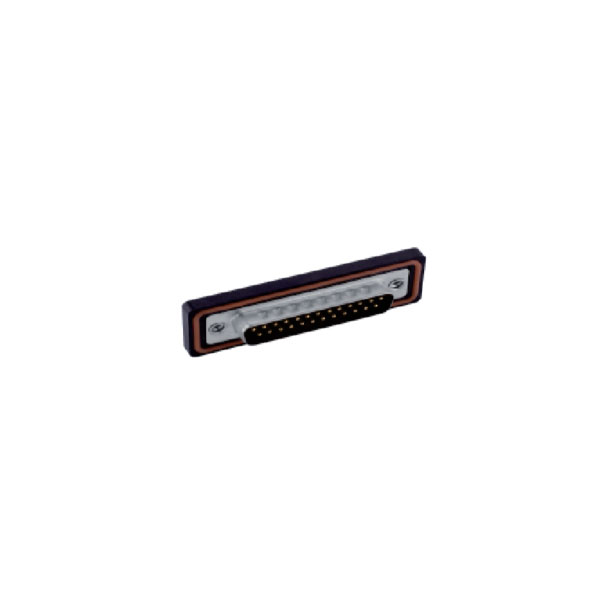
Walking through the connector aisle at any electronics distributor reveals an almost overwhelming selection of D-Sub options. From the ubiquitous DB9 serial ports to ruggedized HD44 variants with military-grade construction, the choices can paralyze even experienced engineers. Having specified connectors for applications ranging from hospital diagnostic equipment to offshore drilling rigs, I've developed a systematic approach to navigating these decisions.
Understanding D-Sub Variants
The D-Sub family breaks down into several distinct categories:
-
Standard Density Series:
-
DB9 connectors remain essential for industrial RS-232 communications
-
DB25 finds continued use in parallel port applications
-
DB37 and DB50 serve high-pin-count needs in telecom infrastructure
-
-
High Density Alternatives:
-
HD15 (commonly misidentified as DB15) dominates video applications
-
HD26 and HD44 offer maximum connectivity in constrained spaces
-
-
Space-Sensitive Solutions:
-
Micro-D versions address shrinking form factors
-
Nano-D options exist for extreme miniaturization
-
Material Considerations That Matter
The housing debate comes down to application requirements:
-
Metallic enclosures (typically zinc or nickel-plated):
-
Provide essential EMI/RFI shielding
-
Withstand harsh industrial environments
-
Add measurable weight and cost
-
-
Polymer housings:
-
Offer adequate performance for benign settings
-
Reduce overall system weight
-
Present potential flammability concerns
-
Contact Surface Fundamentals
Plating choices significantly impact long-term reliability:
-
Gold plating (even thin 3μ" layers):
-
Maintains stable contact resistance
-
Resists environmental degradation
-
Justifies its premium in medical applications
-
-
Tin plating:
-
Provides cost-effective solutions
-
Suffers from fretting corrosion
-
Requires more frequent maintenance
-
Connection Methodologies
Termination styles each have distinct advantages:
-
Soldered connections:
-
Deliver maximum mechanical stability
-
Require skilled labor for proper execution
-
Remain preferred for high-vibration environments
-
-
Crimped terminations:
-
Enable rapid production assembly
-
Demand precision tooling investment
-
Facilitate field repairs when properly implemented
-
-
PCB mounting:
-
Simplifies board-level integration
-
Limits serviceability
-
May require additional board support
-
Critical Secondary Factors
Several often-overlooked aspects deserve attention:
-
Environmental sealing becomes crucial for outdoor installations
-
Locking mechanisms prevent accidental disconnection
-
Current ratings must match application demands
-
Wire compatibility affects long-term reliability
Practical Selection Framework
When evaluating options, consider:
-
Operational environment characteristics
-
Expected service life requirements
-
Maintenance accessibility constraints
-
Total cost of ownership implications
For applications where failure isn't an option, the incremental cost of premium connectors often proves negligible compared to potential downtime expenses. Many engineers find that documenting connector specifications as part of design standards prevents costly mistakes during procurement and maintenance cycles.