

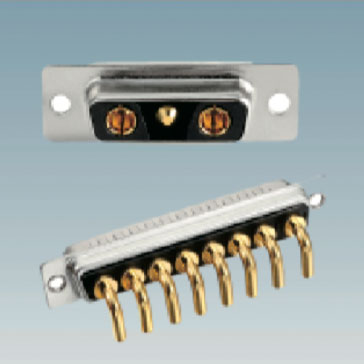
Are you struggling with the cost of purchasing D-Sub Connectors? Do you feel like you could get a better deal but aren’t sure how to negotiate? Don’t worry—today, I’ll share some practical tips to help you secure better pricing on bulk orders without compromising quality!
Why Does Bulk Buying Reduce D-Sub Connector Costs?
First, you need to understand why manufacturers offer lower prices for bulk orders. It’s simple—economies of scale! Producing 1,000 DB9 or DB25 connectors costs less per unit than making 100. Raw materials, production setup, and labor costs are spread out, so manufacturers are more willing to offer discounts for larger quantities.
But the real question is—how do you negotiate effectively to get the best deal?
1. Do Your Homework: Know the Market
Before negotiating, research the market. For example:
-
What’s the typical price range for D-Subminiature Connectors?
-
How do different specs (like DB15, DB25, or IP67 D-Sub) affect pricing?
-
What factors influence cost (gold plating thickness, waterproof rating, customizations)?
If you don’t know industry pricing, you’ll be at a disadvantage. Compare multiple suppliers’ quotes so you can negotiate from a position of knowledge.
2. Be Clear About Your Needs: Quantity, Specs, and Lead Time
What kind of customer do manufacturers love? One with clear, stable demand! If you can specify:
-
Your required volume (e.g., 5,000 High Power D-Sub Connectors per month)
-
Exact specs (male/female, Waterproof D-Sub Connector, etc.)
-
Delivery schedule (batch shipments or one-time delivery)
Suppliers will see you as a reliable long-term partner and offer better terms.
3. Long-Term Contracts vs. One-Time Orders: Different Strategies
If you’re only buying D-Sub Power Connectors occasionally, suppliers may not offer big discounts. But if you commit to long-term business, like an annual contract, you’ll have more leverage.
Try saying:
“We currently need 3,000 Power D-Sub units monthly. If the price is right, we can sign a yearly agreement and possibly increase orders later.”
This makes you a more attractive customer, encouraging suppliers to lower prices.
4. Flexible Purchasing Approaches
If pricing seems rigid, consider adjusting your buying strategy:
-
Mixed orders: Combine DB9, DB15, and DB25 purchases to reduce the manufacturer’s setup costs.
-
Order during slow seasons: Suppliers may offer discounts if their production lines aren’t fully booked.
-
Stick to standard models: Custom D-Sub Connectors (special colors, plating) cost more—standard options are cheaper.
5. Don’t Just Focus on Price—Quality & Service Matter Too
A low price is great, but poor quality leads to higher costs later (returns, repairs, replacements). During negotiations, confirm:
-
Does the product meet industry standards? (e.g., IP67 D-Sub waterproofing)
-
Does the supplier have strict quality control?
-
Are deliveries reliable? Is after-sales support available?
Remember—the cheapest option isn’t always the most cost-effective!
Frequently Asked Questions (Q&A)
Q1: How can I tell if a D-Sub Connector supplier is reliable?
A: Check their certifications, customer reviews, and request samples for testing.
Q2: Can I negotiate prices for small orders (e.g., 100 units)?
A: It’s harder, but if you hint at future larger orders, some suppliers may offer discounts.
Q3: Are custom D-Sub Connectors much more expensive?
A: Yes—special specs (like High Power D-Sub Connectors) require extra tooling or production adjustments.
Q4: How can I avoid buying low-quality D-Sub connectors?
A: Always review the supplier’s QC reports and test samples for conductivity, durability, etc.
Final Tip: Aim for a Win-Win Deal
Negotiation isn’t about squeezing suppliers dry—it’s about finding a fair balance. If you prove you’re a stable, trustworthy buyer, they’ll be more willing to work with you.
Next time you’re buying D-Sub Connectors, try these strategies—you might save a lot!
Have you negotiated with manufacturers before? Share your tips in the comments!