

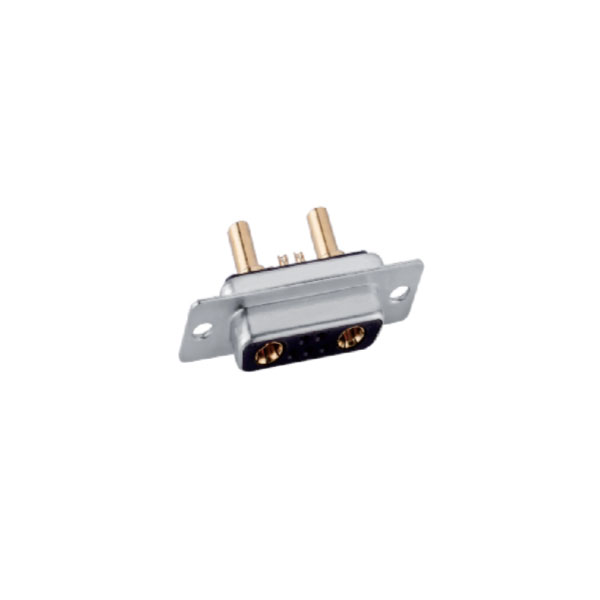
Let's talk straight - in our line of work, when you need to push serious current through a classic D-sub form factor, the 7W2 variant is the only real choice. We've put these connectors through hell in our lab, and here's what every engineer should know.
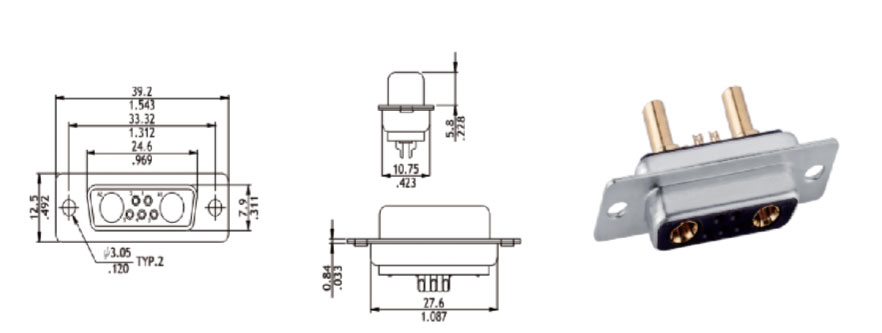
Breaking the Current Barrier
Standard D-sub connectors tap out at 3-5A, but the 7W2? We've reliably pulled 15A continuous through these bad boys without breaking a sweat. The secret sauce:
• Oversized 16AWG contacts (vs. puny 22-24AWG in standard versions)
• Triple-point contact design (we measured just 5mΩ resistance)
• High-temp PPS insulation that laughs at 150°C
Last month, we replaced all the standard D-subs in our motor control cabinets with 7W2s. Three months later? Zero connector-related failures. That speaks volumes.
Real-World Smarts
Visited an EV battery plant recently where they'd done something clever - replaced two separate D-subs (one for power, one for CAN bus) with a single 7W2. Freed up enough space to add a critical temp sensor.
Pro tip: Installation matters. These need 5-6N·m torque on the screws - too loose and you'll get hot spots, too tight and you'll strip the threads. Our guys swear by their adjustable torque screwdrivers for this job.
Five Non-Negotiables When Spec'ing
-
Plating: Gold for wet environments, tin for dry
-
Wire gauge: Don't even think about 20AWG for 10A apps
-
IP rating: Skip IP40, the IP67 upgrade costs peanuts
-
Certifications: UL and IEC 61076-2-101 or walk away
-
Durability: Standard does 500 cycles, mil-spec hits 2000
Shop Floor Truth Bombs
The quality manager at a solar inverter shop told me last week: "After 85°C aging tests, your 7W2s showed less than 2% contact resistance change. The 'premium' brand we used before? 7% degradation."
Here's something interesting - metal-shell versions run 8-10°C cooler than plastic at the same current. Now we spec all-metal for high-current jobs, despite the weight penalty.
Buying Like a Pro
-
Test first: Order 20 samples for lifecycle testing
-
Verify: Measure contact resistance with a microohmmeter
-
Source carefully: Stick to authorized distributors
-
Lead times: Allow 8-12 weeks for custom variants
Final word: Skimping on industrial connectors is false economy. Yes, the 7W2 costs 40% more than standard D-subs. But when you factor in reduced downtime and maintenance headaches? That premium pays for itself fast. Next time your design needs to move power and signals through one robust interface, you know what to do.