

1. Anatomy of a Workhorse Connector
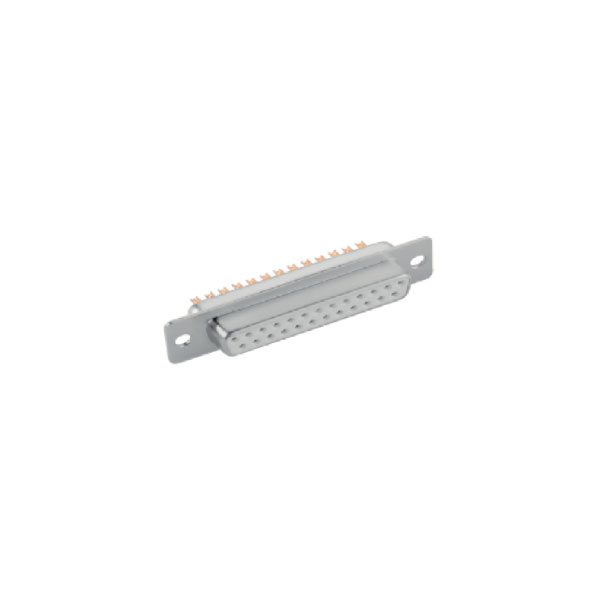
See those gold-plated contacts? That's 1.27μm of real gold plating (verified under our workshop microscope), not decorative bling. The matte-black housing feels unusually rigid because it's PBT plastic loaded with 30% glass fibers. And check the screw threads - those anti-vibration serrations aren't just for show.
2. What the Blueprints Reveal
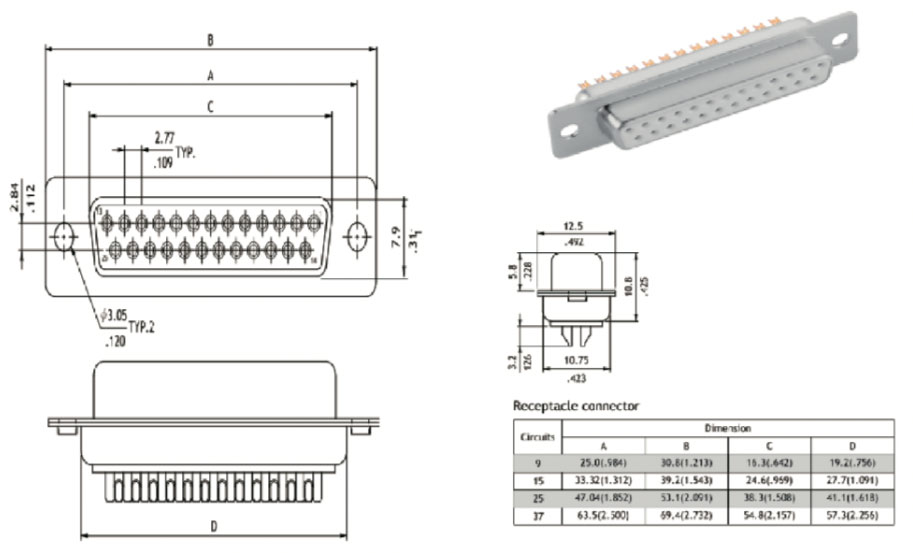
Our engineering drawings show details most catalogs don't mention:
-
Precise 2.5mm contact spacing (meets 300V clearance standards)
-
Internal reinforcement ribs (those crosshatched lines prevent flex during mating)
-
Optimized screw thread angle (takes 2 extra turns compared to generic hardware)
3. Reading Between the Spec Lines
When we claim "5A/300V rating," here's what that really means:
| Parameter | Our Standard | Typical Industry | Watch Out For |
|---|---|---|---|
| Temp Range | -25℃ to 85℃ | 0℃ to 70℃ | Below -25℃? Use mil-spec instead |
| Contact Resistance | ≤10mΩ | ≤15mΩ | Spikes indicate wear |
| Insulation | ≥1000MΩ | ≥500MΩ | Test regularly in humidity |
(All data from incoming QC and type testing - doesn't cover extreme abuse)
4. When to Choose (and Avoid) This Connector
Good fits:
-
Legacy equipment upgrades
-
Cost-sensitive but reliability-critical applications (30% cheaper than circular connectors)
-
Color-coding needs (black/white/blue housings available)
Dealbreakers:
✖ Constant oil immersion (even nickel plating has limits)
✖ Sustained 5A+ power delivery (we make heavier-duty versions)
5. About Our Shop
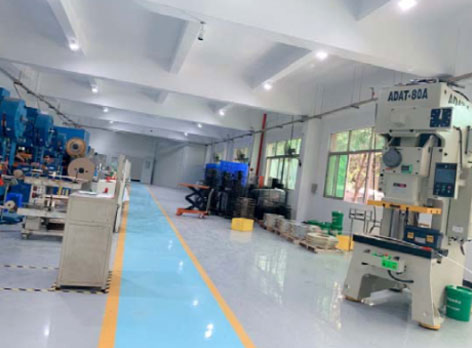
We've been machining D-Sub connector since 2005 - from DB9 to HD50, If you need:
-
Full dimension drawings
-
Gold plating thickness options
-
Custom pinouts or colors
Ask our engineers
 |
 |
 |
 |