

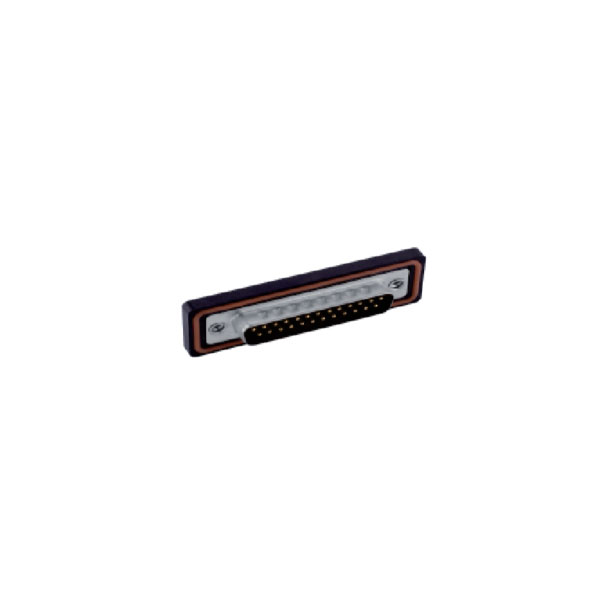
Working with industrial equipment? When selecting waterproof D-Sub connectors, do you assume "as long as it’s waterproof, it’s fine"? Well, let’s be honest—90% of selection mistakes happen because of overlooked details, like insufficient mating cycles, sudden signal loss, or corrosion within six months.
As a connector manufacturer with 15 years of experience, we’ve seen too many customers fall into avoidable traps. Today, we’ll break down how to avoid those hidden pitfalls in plain terms.
1. Waterproof Rating ≠ Actual Performance—IP67 vs. IP68?
"Waterproof D-Sub" sounds straightforward, but IP67 and IP68 are worlds apart:
-
IP67: Survives immersion (1m depth, 30 minutes)—ideal for occasional outdoor exposure.
-
IP68: Rated for continuous submersion (e.g., underwater equipment), but costs 30%+ more.
Our advice: IP67 is enough for industrial automation; save IP68 for marine/oil applications—don’t overspend.
2. Gold Plating? Don’t Get Scammed.
Suppliers love boasting "gold-plated for corrosion resistance," but thickness is what matters:
-
<0.5μm: Cheap, but oxidizes within months (signal drops, you know the drill).
-
≥1.0μm: Pricier, but lasts 5+ years without degradation.
Test data: Our salt spray trials showed 1.2μm gold outperforms 0.3μm by 6x in corrosion resistance.
3. Housing Material: Nylon or Metal?
-
Nylon: Lightweight and affordable, but cracks under high vibration (e.g., construction machinery).
-
Metal: Ultra-durable, but heavier and traps heat.
Best compromise: Glass-reinforced nylon—nearly as strong as metal at half the weight (trusted by rail industry clients).
4. Mating Cycles: Don’t Wait for Failure
A connector labeled "5,000 cycles" might loosen after 1,000. Two things to verify:
-
Contact material: Phosphor bronze lasts 2x longer than brass.
-
Locking mechanism: Threaded locks beat snap-in designs.
Industry secret: Some vendors inflate cycle counts—always ask for third-party test reports.
5. Signal Noise? Shielding Is the Silent Hero
Using waterproof D-Subs near VFDs? Without proper shielding, signals turn chaotic:
-
Single-layer shielding: Fine for standard motors.
-
Dual-layer + filtering: Mandatory for medical/military apps—costly but rock-solid.
"Just Tell Me Which One to Buy!"
If your needs match these, go for DB9-IP67-1.2μm gold-plated (our bestseller):
-
Industrial use, occasional wet conditions
-
Stable signal transmission (e.g., PLC comms)
-
Mid-range budget
Need extreme-environment specs? Custom solutions available—we’re the factory, so bulk orders get better deals.
Q&A: Real-World Applications
Q: Can waterproof D-Subs handle automotive environments?
A: Yes, but only high-temp rated models (125°C+ cabin heat) with EMI shielding—we offer auto-grade versions.
Q: IP68 vs. MIL-DTL-24308—which is tougher?
A: MIL specs (military) exceed IP68 (salt fog/sand resistance), but cost doubles. Overkill for most applications.
Final Note
We’re the OEM—wholesale pricing and custom designs available. Some mistakes just aren’t worth repeating.